In the vast world of RuneScape, crafting isn’t just a skill; it’s a ticket to transforming raw materials into glorious masterpieces. Whether it’s fashioning exquisite jewelry or creating sturdy armor, crafting offers players a chance to flex their creative muscles while raking in some serious gold. Who knew turning a lump of clay into a dazzling pot could feel so rewarding?
But let’s be honest—crafting can sometimes feel like watching paint dry, right? Fear not! With a sprinkle of humor and a dash of strategy, this guide will turn you into a crafting connoisseur faster than you can say “Rune essence.” Get ready to dive into the art of crafting and discover how to level up your skills, impress your friends, and maybe even become the next crafting legend in Gielinor.
Overview of RuneScape Crafting
Crafting represents a vital skill in RuneScape, enabling players to convert raw materials into useful items like jewelry and armor. This skill not only enhances gameplay but also brings a sense of accomplishment through item creation.
What Is RuneScape Crafting?
RuneScape crafting involves creating items from various materials. Players gather resources such as ores, hides, and gems. They can then use these materials at crafting stations. Crafting offers several item categories, including armors, potions, and decorations. Many players find satisfaction in developing their crafting levels through consistent practice and exploration.
Importance of Crafting in Gameplay
Crafting plays a crucial role in the overall game experience. It equips players with valuable items that can improve combat effectiveness. Players can create armor that enhances defense or jewelry that boosts stats. Additionally, crafting contributes to the game’s economy. Many items sell for gold, providing essential funding for other skills and activities. Crafting encourages social interaction, as players may trade or share materials to support one another.
Crafting Skills and Levels
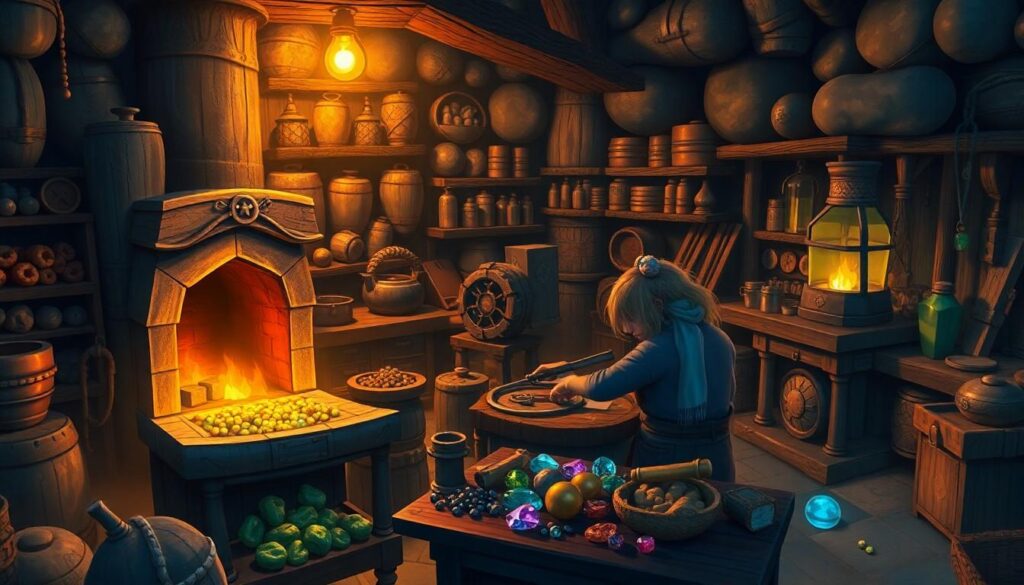
Crafting in RuneScape involves various skills and levels essential for producing valuable items. Players progress through levels by gathering materials, using crafting tools, and completing specific tasks.
Starting Crafting: Requirements and Initial Levels
To begin crafting, players must first obtain the required materials and access to crafting stations. Bronze and iron ores are common starting resources. Achieving level one in crafting allows for the creation of basic items like bronze items and leather armor. As players advance to level 10, they unlock the ability to craft silver and gold items. Understanding these initial requirements serves as a foundation for further progression in crafting.
Advanced Crafting Techniques
Advanced crafting techniques expand players’ capabilities significantly. At level 55, players can use crafting stations to create magic and enchanted items. Additionally, players learn to craft jewelry, which provides experience and enhances stats. Incorporating tools like the Furnace and the Crafting Table enhances efficiency. Techniques such as combining gems for powerful jewelry or crafting high-level armor offer players competitive advantages in combat. Mastering these techniques often leads to increased profits in the game’s economy.
Materials and Resources
Crafting requires various materials and resources crucial for making items in RuneScape. Players must actively gather these resources to unlock the full potential of their crafting skills.
Gathering Materials for Crafting
Gathering materials for crafting involves engaging in activities like mining, fishing, and skilling. Players collect ores and gems from mining sites while hunting animals provides hides and bones. Fish can be gathered for potions, and players often trade with others to acquire necessary items. Prioritizing efficient methods for gathering enables players to maximize their resource collection.
Types of Crafting Materials
Various crafting materials fall into distinct categories essential for different crafting processes. Ores such as copper, tin, iron, silver, and gold serve as the foundation for armor and weapons. Hides come from creatures like cows and dragons, allowing players to create leather items and armor pieces. Gems, including sapphires, emeralds, diamonds, and rubies, enhance jewelry and magical items. Each material type contributes uniquely to crafting and influences the final product’s quality.
Crafting Professions
Crafting in RuneScape encompasses various professions, each offering unique opportunities for players. Players can choose from professions like armor smithing, jewelry crafting, rune crafting, and potion making. Each profession utilizes specific materials and tools to enhance gameplay and provide valuable items.
Different Crafting Professions in RuneScape
Armor smithing involves combining metals like bronze and iron to create protective gear. Jewelry crafting allows players to fashion rings and amulets that confer stat bonuses. Rune crafting permits the production of runes essential for casting spells, while potion making requires gathering herbs and ingredients to concoct useful brews. Advanced levels unlock additional opportunities, such as creating enchanted items and specialty gear.
Benefits of Each Profession
Each crafting profession provides distinct advantages that enhance gameplay. Armor smithing offers durable gear essential for combat, boosting players’ defensive capabilities. Jewelry crafting supplies items with helpful bonuses, improving stats during battles. Rune crafting opens up magical gameplay elements, enabling spellcasting and diversifying combat styles. Potion making supports survivability by providing healing and temporary stat enhancements. Engaging in a profession not only contributes to the in-game economy but also fosters social interactions through crafting and trading.
Crafting Tips and Strategies
Crafting in RuneScape becomes more rewarding with the right strategies. Players can significantly improve their efficiency and experience gains by implementing specific techniques.
Best Practices for Efficient Crafting
Using the best tools available is vital for crafting success. Players should prioritize high-quality crafting stations to optimize production. Gathering materials in bulk saves time and can enhance productivity. Focusing on one type of item, such as jewelry or armor, allows for quicker leveling. Experimenting with different blueprints may uncover creative crafting opportunities. Trading with other players also facilitates access to rare materials. Keeping an organized inventory streamlines the crafting process.
Maximizing Experience Gains
Engaging in quests that reward crafting experience provides significant benefits. Maximizing the use of double experience events accelerates leveling. Players should also consider training on items that offer higher experience rates. Crafting items that fulfill personal goals or quests can lead to efficient experience gains. Joining clans dedicated to crafting increases interaction and collaboration. Utilizing experience-boosting items, like skill lamps, elevates crafting progress. Timing crafting sessions during bonus experience weekends proves advantageous for rapid leveling.
Conclusion
Crafting in RuneScape is more than just a skill; it’s a pathway to creativity and economic success. Players who embrace crafting find themselves immersed in a world of resource gathering and item creation. The satisfaction of transforming raw materials into valuable gear and accessories fosters a sense of achievement that enhances the overall gaming experience.
As players progress through various crafting professions, they not only improve their abilities but also contribute to the game’s vibrant economy. With strategic planning and dedication, anyone can master crafting and unlock its full potential, paving the way for future adventures and legendary status within the community.