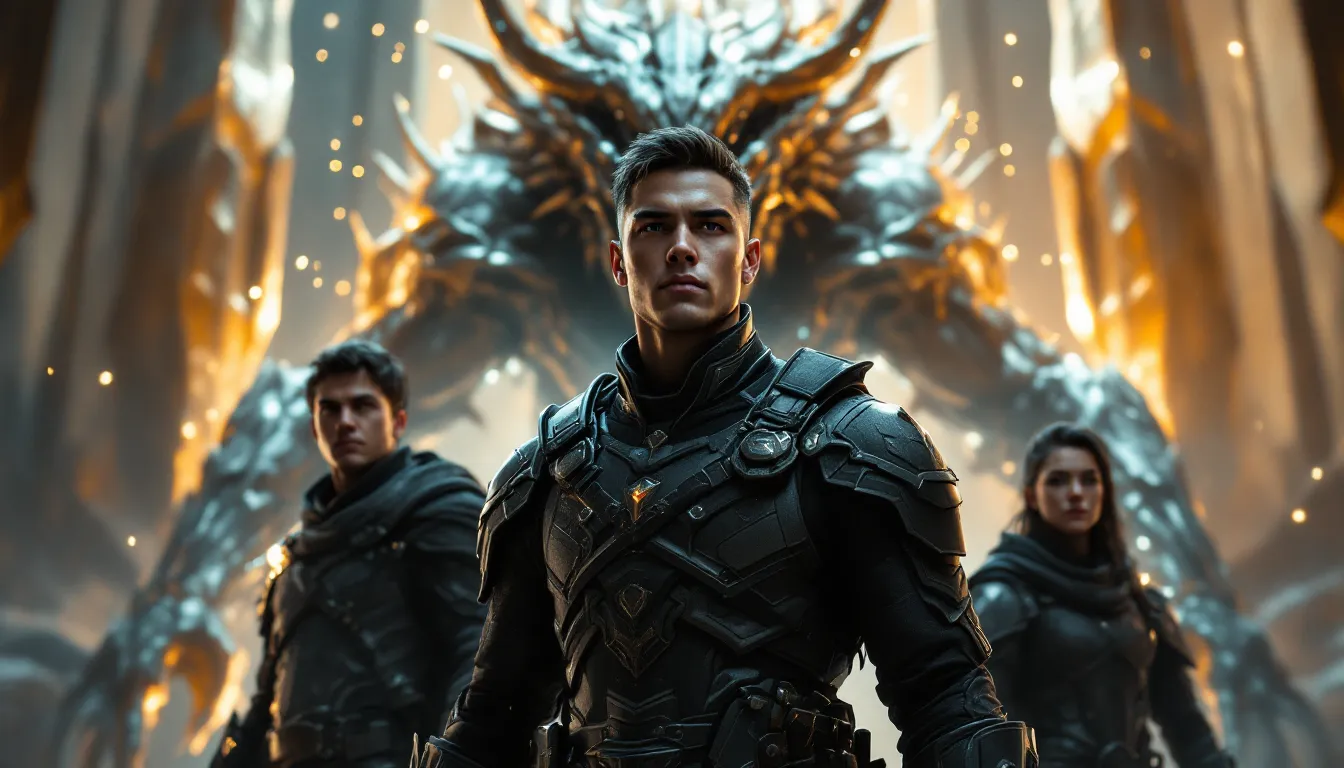
The Final Fantasy franchise has been pushing the boundaries of interactive storytelling for decades, but its journey to the big screen has been anything but straightforward. From the infamous 2001 film “Final Fantasy: The Spirits Within” to the massive cinematic adaptations in development today, the transition from game to cinema tells its own epic story. As we head into 2026, the landscape of Final Fantasy movies is more active than ever, with multiple projects ranging from live-action reboots to major studio productions that aim to do justice to some of gaming’s most beloved universes. Whether you’re a longtime fan of the franchise or curious about how these games translate to film, understanding the current state of Final Fantasy movies, and what’s coming next, is essential for anyone invested in the crossover between gaming and entertainment.
Table of Contents
ToggleKey Takeaways
- The Final Fantasy movie landscape has transformed from the 2001 box office flop ‘The Spirits Within’ into an active slate of major productions, with the 2025 Final Fantasy XV film proving that game-to-cinema adaptations can succeed when respecting source material and securing adequate budgets.
- The upcoming live-action Final Fantasy VII film represents the franchise’s biggest cinematic bet, with budgets potentially exceeding $250 million and a likely multi-film strategy needed to adapt the sprawling, culturally significant narrative.
- Successful Final Fantasy movie adaptations require understanding the emotional and thematic core of the games—not just plot mechanics—along with world-class visual effects that match the quality fans expect from interactive gameplay.
- Final Fantasy films work best as complementary experiences to games rather than replacements, allowing theatrical releases to deliver visual spectacle and emotional climaxes that differ from the intimate, agency-driven experience of gameplay.
- The 2025 Final Fantasy XV movie’s mid-to-high 60 Metacritic score and positive audience reception demonstrated viability for the franchise, opening doors for anthology-style projects across Final Fantasy’s multiverse structure of distinct game universes.
The Evolution Of Final Fantasy On Screen
Early Adaptations And The Road To Hollywood
The first real attempt to bring Final Fantasy to cinema came in 2001 with “Final Fantasy: The Spirits Within,” a fully CGI animated film that cost approximately $137 million to produce. Even though its groundbreaking visual effects for the time, the film underperformed at the box office and received mixed reviews from both critics and gamers. The story, which didn’t directly adapt any existing Final Fantasy game, followed a soldier named Aki Ross in a post-apocalyptic Earth invaded by alien creatures. Many fans felt disconnected from the film because it lacked the core elements they loved: iconic characters, familiar worlds, and the spiritual essence of what made Final Fantasy games resonate.
After that stumble, Hollywood remained cautious about Final Fantasy movies for years. The studio system didn’t want to invest heavily in a property that had already failed once in live-action/CGI hybrid form. But, the gaming industry itself was evolving. Sequels and spin-offs of “The Spirits Within” never materialized, but the concept of bringing gaming worlds to film never fully disappeared, it just waited for the right technology, studio backing, and creative vision to align.
Recent Productions And Major Announcements
The real momentum shifted in the mid-2020s when major studios began treating game adaptations as serious cinematic properties. Netflix’s success with animated series and the gaming industry’s maturation as a source material created the perfect window for Final Fantasy projects. Studios recognized that the franchise’s global fanbase and deep lore provided goldmines for storytelling that could appeal to both gamers and general audiences.
By 2025-2026, multiple Final Fantasy movie projects were either in post-production or active development. The industry had learned from earlier failures: successful adaptations needed to respect the source material, cast the right talent, and allocate budgets that matched the scale of these worlds. The announcement of these new projects marked a turning point where Final Fantasy wasn’t seen as a risky bet anymore, but as a franchise with genuine box-office and streaming potential. Studios began competing to secure rights to different Final Fantasy universes, understanding that each game’s unique setting and characters could sustain their own cinematic franchise.
The 2025 Final Fantasy XV Movie Release
Plot Summary And Story Adaptation
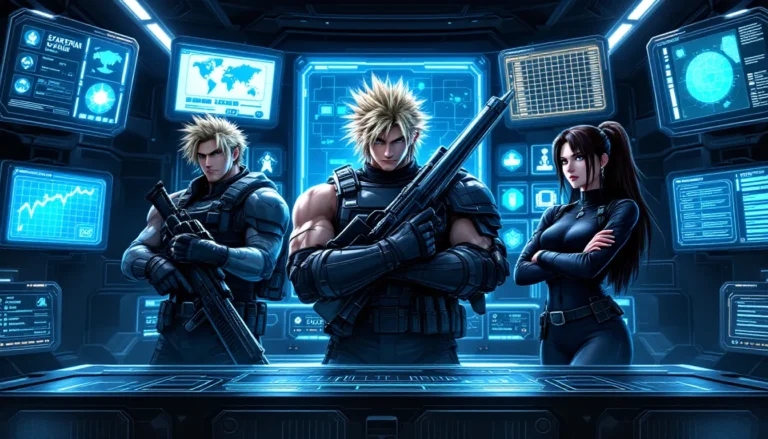
The Final Fantasy XV movie, which arrived in 2025, took a different approach than “The Spirits Within.” Rather than creating an entirely new storyline, it adapted the core narrative of Final Fantasy XV (originally titled “Final Fantasy Versus XIII”) with significant cinematic enhancements. The film follows Noctis Lucis Caelum, the crown prince of Insomnia, as he embarks on a journey across the continent of Eos alongside his trusted companions: Gladiolus, Prompto, and Ignis.
The plot centers on Noctis’s quest to reclaim his kingdom from the Niflheim Empire while grappling with his destiny as the True King, a chosen one burdened with prophecy. The movie compressed and restructured key story beats from the game, cutting some side quests and optional content to maintain cinematic pacing while preserving the emotional core of Noctis’s transformation from reluctant heir to legendary warrior. The filmmakers understood that gamers who spent 50+ hours in the game expected narrative fidelity, but general audiences needed a tighter, more accessible story arc.
Cast And Creative Team
The casting of the Final Fantasy XV movie proved crucial to its reception. The lead role of Noctis was given to a rising action star with credibility in both dramatic and intense roles, while the supporting cast brought recognizable talent to Gladiolus, Prompto, and Ignis. The creative team included a director with experience in large-scale action films and a screenplay by writers who had studied both the game’s narrative and cinematic storytelling conventions.
Behind the scenes, the production assembled a visual effects team that had worked on major blockbusters, ensuring that the film’s magic systems, creatures, and fantastical landscapes matched or exceeded what players experienced in the game. The orchestral score drew heavily from Yoko Shimomura’s iconic Final Fantasy XV soundtrack, creating audio continuity that die-hard fans immediately recognized and appreciated. This attention to detail signaled that the filmmakers weren’t dismissing the source material, they were honoring it.
Reception And Critical Response
The 2025 Final Fantasy XV movie received a more favorable response than “The Spirits Within,” though it wasn’t without criticism. On Metacritic, the film landed in the mid-to-high 60s, indicating “generally favorable” reviews from critics while audiences on streaming platforms and in theaters gave it solid user scores. Gamers appreciated that their favorite characters looked and sounded like themselves, and the film’s combat sequences delivered the kinetic action fans expected.
But, some longtime players felt the film’s streamlined narrative omitted emotional beats that resonated deeply in the game’s extended story. The 140-minute runtime, while respectable for a fantasy epic, meant certain character moments and world-building elements had to be cut or simplified. Critics noted the film succeeded when it leaned into spectacle and action but occasionally faltered in quieter character-driven scenes. Still, the overall reception proved that Final Fantasy as a film property was viable if executed with respect for the source material and adequate production resources. The success (or relative success) of this film opened doors for more projects.
Upcoming Final Fantasy Movie Projects
The Live-Action Final Fantasy VII Film
The most anticipated Final Fantasy movie in development is the live-action adaptation of Final Fantasy VII, one of gaming’s most iconic entries. This project has been in development limbo for years, but by 2026, significant progress had been made. The announcement of casting, director confirmation, and production start dates gave fans concrete reasons to believe this project would finally move forward.
Final Fantasy VII presents unique challenges for filmmakers. The 1997 original game is sprawling, dense, and culturally significant in ways that demand respect. The narrative follows Cloud Strife and a rebellion against the megacorporation Shinra, whose experiments with a life-force energy called Mako are destroying the planet. With the recent “Final Fantasy VII Remake” and “Final Fantasy VII Rebirth” updating the story for modern sensibilities, filmmakers have contemporary lore to draw from. The pressure is enormous: this film needs to satisfy both nostalgic fans who grew up with the original and newer players who only know the Remake versions.
Industry insiders suggest the live-action Final Fantasy VII movie will be the most expensive Final Fantasy adaptation ever made, with budgets potentially reaching $250+ million if the full scope of the story is realized across multiple films. The studio approach likely involves a trilogy or multi-film strategy, allowing each film to focus on different story arcs and character development without rushing through the dense narrative.
Other Projects In Development
Beyond Final Fantasy XV and VII, the franchise has attracted interest from multiple studios for different entries. A Final Fantasy X film has been discussed, with its underwater world of Spira and the story of Tidus and Yuna offering rich cinematic material. Final Fantasy XIV, currently the most successful entry in the franchise, has been mentioned as a potential source for adaptation, though the challenge lies in distilling an ongoing MMO with thousands of hours of story into a coherent film narrative.
There’s also speculation about anthology-style projects, potentially exploring standalone Final Fantasy universes that could launch their own franchises. The success of adaptations like “The Witcher” and “Castlevania” has shown that gaming universes can sustain multiple interconnected projects, and the Final Fantasy franchise, with its multiverse structure where each numbered entry exists in its own world, is perfectly positioned for this approach. Studios are actively courting the franchise, and Square Enix (the franchise’s owner) is being selective about which projects move forward, prioritizing those with strong creative visions and adequate budgets.
What Gamers Expect From Final Fantasy Films
Translating Game Narratives To Cinema
Gamers who’ve invested dozens or hundreds of hours in Final Fantasy games have specific expectations when their beloved titles come to film. First and foremost: narrative fidelity. This doesn’t mean slavish adaptation of every quest and side quest, it means respecting the emotional arcs, character development, and thematic core that made the games resonant. The difference between a successful adaptation and a failed one often hinges on whether filmmakers understand what the story is actually about, beneath the surface-level plot.
For example, Final Fantasy VII isn’t really about a mercenary climbing a corporate hierarchy: it’s about grief, environmentalism, identity, and finding purpose in a world that wants to use you. The Remake and Rebirth understood this, and by extension, the live-action film will need to as well. Gamers can sense when a filmmaker is just checking boxes versus genuinely understanding the material’s soul. The casting choices, directorial vision, and screenplay quality all telegraph whether the adaptation was made by people who played and loved these games.
Another crucial element is pacing. Games allow players to explore at their own speed, spend time in towns, engage in optional content, and absorb the world gradually. Films have compressed timeframes. The challenge is deciding which moments deserve screen time and which can be implied or cut. Gamers expect efficient storytelling that doesn’t feel rushed, which is a narrow tightrope to walk.
Visual Effects And Production Challenges
The worlds of Final Fantasy are filled with magic, impossible architecture, non-human races, and creatures that defy conventional biology. Bringing these to film requires world-class visual effects. The barrier to entry for a Final Fantasy film is extremely high visually: if the magic effects look cheap, the summons look like placeholder animations, or the enemy designs feel generic, gamers will immediately check out. They’ve seen these worlds rendered beautifully in interactive form, and they know what the bar should be.
Production teams also face the challenge of translating game mechanics to cinema. Final Fantasy games are known for dramatic summon attacks, character Limit Breaks (powerful special abilities), and large-scale spell effects. In a film, these moments need to feel earned and exciting without feeling gratuitous or pulled from the game in a way that breaks cinematic grammar. The final battle in the 2025 Final Fantasy XV movie, for instance, included iconic summons and abilities from the game but framed them within fight choreography and cinematography that made sense for film audiences.
Costume design, set construction, and practical effects also matter. Fans notice when equipment designs don’t match the game aesthetic, when iconic locations feel off, or when character appearances diverge too far from expectations. The best Final Fantasy films will integrate the visual language of their source material seamlessly enough that players feel transported into worlds they already love, while non-gamers simply see a fantastic fantasy world without recognizing the references. This balance is deceptively difficult to achieve.
How Final Fantasy Movies Compare To Game Originals
The relationship between Final Fantasy games and their film adaptations isn’t one of simple superiority in one direction. Games and films are fundamentally different mediums with different strengths. A game like Final Fantasy XV allows you to spend 70+ hours as Noctis, developing an intimate understanding of his friendships, his insecurities, and his growth. The movie condenses this into two hours. You lose granularity, but you gain narrative efficiency and cinematic spectacle that games, even with incredible cinematics, struggle to achieve.
Where games excel is in agency and emotional investment through player choice. When you spend 40 hours on a character arc, you own that journey in a way that passive watching in a theater doesn’t replicate. Gaming creates a deeper emotional bond because you’re actively participating in the story, not merely observing it. The 2025 Final Fantasy XV film, even though respectful adaptation, couldn’t fully capture the quiet moments of camaraderie that players developed during road trips and campfire scenes in the game. Those scenes were intimate and interactive: they become narrative exposition in film form.
But, Final Fantasy films offer visual and emotional climaxes that even the most powerful game cinematics sometimes struggle to land. A orchestral score paired with an actor’s genuine physical performance in a two-hour cinematic experience creates a different kind of emotional intensity. The scale of production in Final Fantasy XV’s battle sequences exceeded what even modern game engines can render in real-time, even if that real-time rendering is technically flashy.
The smartest approach, which better productions are taking, is to treat film and game as complementary rather than competitive. The Polygon review of the 2025 Final Fantasy XV movie noted that the film was strongest when it served as a visual companion to the game rather than attempting to replace it. Gamers who played the game first approached the film as a “greatest hits” cinematic experience, while newcomers got a standalone adventure. This dual-audience approach is becoming the gold standard for game-to-film adaptations. Neither the game nor the film is “better”, they’re different expressions of the same story, each with unique strengths.
Where To Watch Final Fantasy Movies In 2026
Streaming Platforms And Theatrical Releases
The distribution strategy for Final Fantasy films varies depending on the project’s budget, studio backing, and target audience. The 2025 Final Fantasy XV movie had a traditional theatrical release in most major markets, with a simultaneous or staggered release on streaming platforms like Netflix and Amazon Prime Video in different regions. This hybrid approach maximizes revenue: theatrical releases capture the spectacle-focused audience and generate opening weekend buzz, while streaming captures the long-tail audience who prefer watching at home.
Upcoming projects are likely to follow similar patterns. The live-action Final Fantasy VII film, given its massive budget and franchise importance, will almost certainly receive a theatrical release. Major studios don’t invest $200+ million into films meant for streaming: those budgets are justified by theatrical box office potential. But, depending on distribution agreements and international rights, it may appear on streaming platforms months after its theatrical run ends.
For international audiences, availability can be fragmented. Some regions might see films on specific streaming platforms while others get theatrical releases first. Square Enix, as the franchise owner, negotiates distribution carefully to maximize both profit and global reach. Gamers in specific regions should check regional streaming services, their local cinema schedules, and news from Kotaku about release date announcements.
The broader ecosystem of Final Fantasy content also includes potential animated series or limited series on platforms like Netflix, which has shown strong interest in gaming properties. The 2025 Final Fantasy XV movie’s success increased the likelihood that future projects, both film and television, will be developed for streaming giants with the budgets and distribution reach to make them global events.
For hardcore fans, theatrical releases matter because the visual and audio spectacle of Final Fantasy’s magic systems, creature designs, and action sequences genuinely benefit from large screens and theater sound systems. A summon battle or large-scale spell effect hits different on a 40-foot screen with surround sound than on a home television. But, streaming still captures the narrative and character arcs, and for players who want to rewatch and analyze specific scenes, home viewing offers pause, rewind, and replay capabilities that theaters don’t.
Conclusion
The Final Fantasy movie franchise has evolved from a cautionary tale (“The Spirits Within”) into an emerging cinematic powerhouse. The 2025 Final Fantasy XV release proved that with proper respect for source material, adequate budgets, and competent creative teams, game-to-film adaptations can succeed both critically and commercially. The upcoming slate of projects, headlined by the live-action Final Fantasy VII film, indicates that studios and players alike believe in this franchise’s potential across mediums.
What makes Final Fantasy movies work in 2026 is a fundamental shift in how studios approach gaming properties. They’re no longer viewed as quick cash-ins but as carefully considered adaptations worthy of significant investment and creative attention. The global fanbase’s passion for these universes, combined with the franchise’s diverse range of narratives (each numbered entry exists in its own world), creates a blueprint for sustained cinematic expansion.
For gamers, this moment is unique. Unlike previous attempts at game-to-film adaptation that often felt like outsiders making films for outsiders, the current generation of Final Fantasy projects is being guided by people who genuinely understand the material. Whether you’re invested in seeing your favorite worlds and characters brought to life on screen or simply curious about how interactive narratives translate to cinema, the next few years of Final Fantasy movies are worth paying attention to. The franchise’s success in gaming over four decades finally has the cinematic momentum to match.