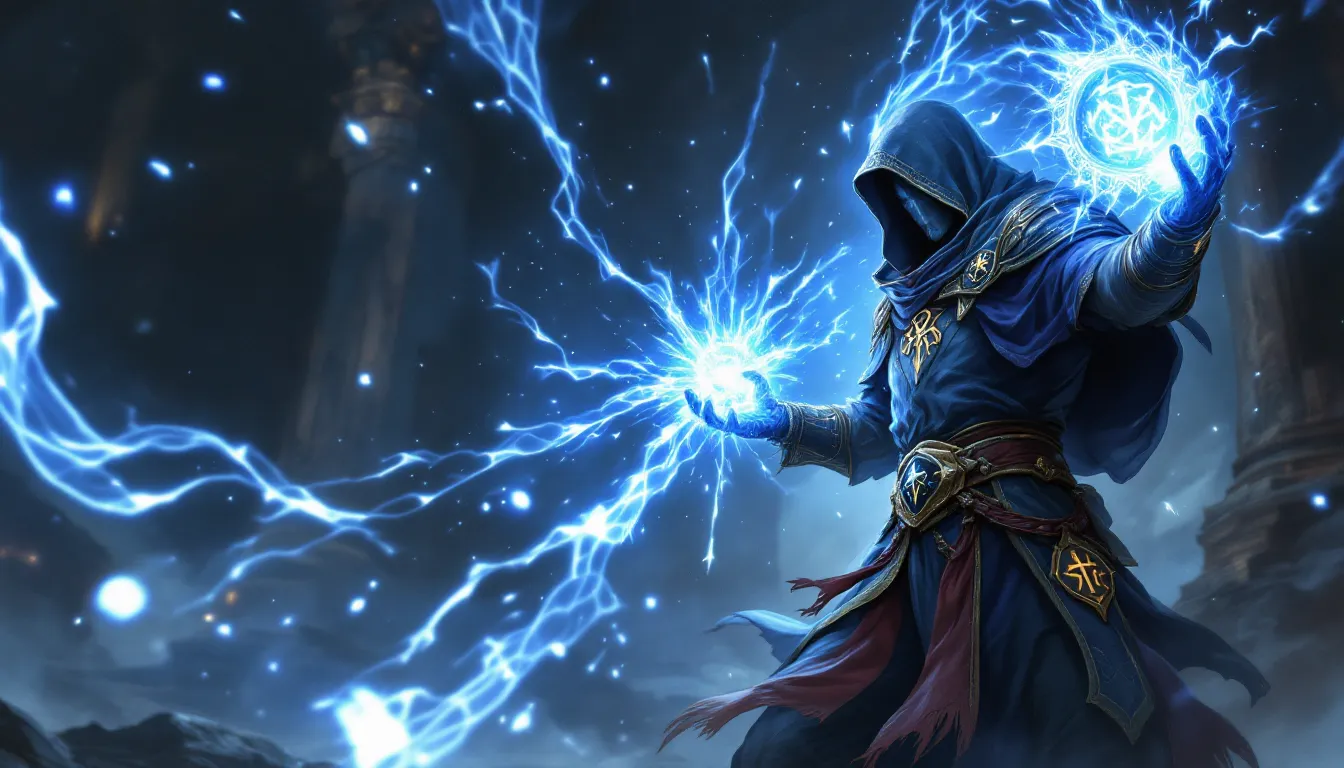
The Light Spellbook is one of the most versatile and underrated tools in Old School RuneScape‘s combat arsenal, offering a unique blend of offensive damage and utility that separates skilled players from casual ones. Whether you’re grinding through slayer tasks, tackling endgame raids, or testing your mettle in PvP, understanding the Light Spellbook’s nuances can dramatically shift your efficiency and success rate. Unlike the standard Lunar or Ancient Spellbooks that dominate PvM content, the Light Spellbook carves its own niche with spells that reward tactical decision-making and gear optimization. This guide breaks down everything from quest prerequisites to precise damage calculations, optimal gear setups, and training methods that’ll get you casting like a veteran by 2026.
Table of Contents
ToggleKey Takeaways
- The Light Spellbook in Old School RuneScape offers a versatile blend of offensive damage and utility that rewards tactical decision-making and hybrid playstyles, separating skilled players from casual ones.
- Light Spells scale uniquely with both Magic Attack bonus and Prayer bonus, making proper gear optimization fundamental to unlocking the spellbook’s potential—a player in optimal gear can exceed unoptimized players by 30-40%.
- Accessing Light Magic requires completing the Sins of the Father quest line and balancing Magic and Prayer levels, with most viable PvM spells requiring between 45-75 Magic and 40-75 Prayer.
- Key offensive spells like Darkness Within (75/75) and Wrath of the Gods (94/90) deliver consistent high DPS, while utility spells like Healing Aura and Spiritual Guard eliminate downtime and improve survivability in extended encounters.
- Light Magic excels in slayer tasks with mixed enemy types and PvP scenarios where adaptability matters more than pure DPS, though it generally underperforms Ancient Spellbook in straightforward endgame raid DPS checks.
- Active training methods for Light Magic yield 40-60k XP per hour from levels 40-99, with Nightmare Zone representing the optimal balance between time investment and cost efficiency for most players.
What Is The Light Spellbook In OSRS?
The Light Spellbook is a collection of magic spells accessed through the Prayer Book interface, requiring completion of specific quests and a blend of Magic and Prayer levels. It sits between utility-focused and raw damage output, making it ideal for hybrid playstyles where flexibility matters more than pure DPS numbers. Players who master the Light Spellbook often outperform those with higher Magic levels simply because they understand timing, spell rotation, and when to switch between offense and support.
Historical Context & Release Timeline
The Light Spellbook was introduced through the Sins of the Father quest, released in March 2019, marking a significant shift in how OSRS approached alternative spellcasting options. Before this update, players were locked into Ancient, Lunar, or Standard spellbooks with limited cross-pollination. The quest requirements were deliberately designed to be moderately challenging rather than trivial, ensuring that only engaged players would access these powerful spells. Jagex’s intent was clear: create a spellbook that rewarded both mechanical skill and strategic planning.
Since release, the Light Spellbook has received multiple balance patches. The most notable came in 2021 when certain offensive spells received DPS buffs to make them more competitive with Ancient Spellbook alternatives. As of 2026, the meta has stabilized around a core set of spells that excel in specific contexts rather than universally dominating content.
Key Differences From Other Spellbooks
Unlike the Ancient Spellbook, which prioritizes raw damage output and life steal mechanics, or the Lunar Spellbook, which emphasizes support and utility, the Light Spellbook offers a middle ground. Its defining characteristic is the synergy between offensive casting and prayer-based buffs. Many Light Spells gain additional effects when cast during specific prayer conditions or when paired with certain abilities.
The Light Spellbook also differs in its damage scaling. While Ancient spells typically rely on Magic damage plus a flat component, Light Spells often scale more heavily with gear bonuses and player stats. This means proper gear optimization isn’t optional, it’s fundamental to unlocking the spellbook’s potential. A player in optimal gear will see significantly higher DPS than someone using the same spell in mediocre equipment, which is less pronounced with other spellbooks.
Quest Requirements & Accessibility
Accessing the Light Spellbook isn’t a walk through Lumbridge, you’ll need to complete several quests and maintain specific skill levels. The barrier to entry is intentional, designed to separate committed players from those just dabbling in magic. Don’t worry though: the requirements are absolutely achievable for any player with a few weeks of focused grinding.
Prerequisites & Unlocking The Spellbook
The primary quest requirement is Sins of the Father, a grandmaster-level quest that demands completion of several prerequisite quests:
- Priest in Peril (tutorial-level difficulty)
- In Search of the Myreque (novice level)
- In Aid of the Myreque (intermediate level)
- Ectofuntus (intermediate level)
- The Darkness of Hallowvale (intermediate-advanced level)
- A Taste of Hope (advanced level)
Once Sins of the Father is complete, you’ll unlock access to the Light Spellbook immediately. But, you won’t be able to cast specific spells until you meet both Magic and Prayer level requirements for each individual spell. The quest line focuses heavily on Morytania and the Myreque faction storyline, so if you’ve never ventured into that dark corner of Gielinor, prepare for some atmospheric storytelling alongside combat and puzzle-solving challenges.
Magic Level Requirements
Light Spells range from level 10 Magic all the way to level 94, with most viable PvM spells sitting between level 45 and 75. The entry-level spells like Chakra Strike (10 Magic) are useful for learning mechanics and low-level content, but players typically skip them once better alternatives unlock. By level 50 Magic, you’ll access Fiery Crucible, the spell that marks the genuine beginning of the Light Spellbook’s relevance in PvE content.
Prayer level requirements are equally important. Many Light Spells require between 10 and 75 Prayer to cast effectively. The synergy between Magic and Prayer means you can’t skip Prayer training entirely, it’s woven into the spellbook’s identity. A player with 70 Magic but only 20 Prayer will find themselves at a severe disadvantage compared to someone with balanced stats at 70/70.
Best Spells In The Light Spellbook
Not all Light Spells are created equal. While the spellbook offers genuine variety, certain spells dramatically outperform others in practical application. The best spell for your situation depends entirely on your gear, opponent type, and whether you’re prioritizing DPS or utility.
Damage-Focused Offensive Spells
The offensive core of the Light Spellbook consists of:
Fiery Crucible (50 Magic / 50 Prayer) – Your gateway spell. Deals moderate damage with a guaranteed accuracy roll against most PvM targets. DPS sits around 4.2 at max gear, making it viable for low-to-mid level slayer tasks. The spell’s reliability matters more than raw numbers at this stage.
Surge of Frost (60 Magic / 60 Prayer) – Introduces a secondary effect: 15% slow on the target. Against enemies with high melee accuracy, this spell’s utility edge justifies slightly lower raw DPS. Effective in freezing dangerous mobs during group PvM content.
Darkness Within (75 Magic / 75 Prayer) – The spellbook’s flagship damage spell, dealing 6.8 DPS at optimal gear. Requires precise timing to maximize effectiveness, but rewards skilled players with consistent, high output. The spell has a unique mechanic: damage scales with both Magic Attack bonus and Prayer bonus, incentivizing hybrid armor setups.
Wrath of the Gods (94 Magic / 90 Prayer) – The ultimate Light Spell, dealing 7.4 DPS at BiS gear. Restrictive requirements mean only endgame players access this spell, and its high cost per cast (roughly 2,400 gp per spell) limits usage to serious bossing scenarios. But, for raids where DPS checks matter, this spell shines.
When comparing Light Spells to alternatives, the numbers tell a story. According to tier lists on Game8, Light Spells rank competitively against Ancient alternatives in specific scenarios, particularly when gear bonuses align perfectly. But, they generally underperform standard Ancient Spellbook DPS in raw damage-per-second matchups.
Utility & Support Spells
The Light Spellbook’s secret weapon lies in support capabilities that other spellbooks can’t replicate:
Healing Aura (55 Magic / 40 Prayer) – Restores 15% of your Prayer points every 10 seconds while active. In extended PvE encounters, this spell eliminates prayer-point strain, allowing aggressive prayer usage without constant pot-switching. The spell costs roughly 1,200 gp per minute, making it economically viable for long grinds.
Spiritual Guard (65 Magic / 60 Prayer) – Provides a damage reduction buff equal to 10% of your Prayer bonus. Against high-damage bosses, this spell can mean the difference between a successful kill and a failed attempt. Stacks with other damage reduction mechanics like protection prayers.
Light’s Blessing (70 Magic / 70 Prayer) – Grants temporary immunity to status effects for 8 seconds. Invaluable against poison-heavy bosses or venom-based PvP opponents. The spell’s recast timer means smart players can perma-uptime this buff during critical phases.
Utility spells often go undervalued because they don’t boost DPS directly. But, players who combine utility spells with optimal rotations often exceed raw DPS users in total damage output due to reduced downtime and increased survivability.
PvM Applications & Boss Strategies
The Light Spellbook excels in specific PvM contexts where flexibility and tactical adaptation matter more than pure numerical output. Understanding which bosses and encounters reward Light Magic usage is crucial for efficient bossing.
Slayer Tasks & Dungeon Efficiency
Light Spells shine during slayer because their flexibility matches the diverse enemy types encountered during long grinds. For tasks with mixed enemy types, like the Catacombs of Kourend, switching between offensive and utility Light Spells beats committing to a single Ancient Spell rotation.
Consider a typical Hellhound task: Light Spells excel here because Hellhounds have moderate Magic defense but high melee accuracy. Using Surge of Frost to slow their attack speed while maintaining offensive pressure creates a safer, faster kill than pure DPS alternatives. The added security means less food usage, higher profit margins, and extended task sessions without banking.
Dungeon efficiency improves similarly. In multi-enemy rooms where threat management matters, Light Spells’ utility effects (freezes, damage reduction, healing) allow players to control room flow rather than purely race against DPS checks. This becomes especially valuable in player-versus-monster dungeons where mechanical mistakes cost supplies rather than deaths.
Key Slayer tasks where Light Magic excels:
- Gargoyles (utility spells reduce damage taken)
- Specters (healing aura negates poison damage)
- Ice Fiends (Light Spells gain 8% bonus damage against frozen targets)
- Abyssal Demons (hybrid builds using Light Magic + melee)
Raid & Endgame Viability
Raids present a different challenge. High-level bosses like the Theatre of Blood and Nightmare demand consistent, high DPS phases where raw damage output dictates success or failure. Here, Light Spells lose ground to optimized Ancient rotations simply because the math doesn’t favor them at endgame difficulty.
But, specific raid mechanics benefit Light Magic’s utility. The Zuk boss in the Inferno has phases where incoming damage spikes unpredictably. Players using Spiritual Guard plus damage reduction prayers survive check phases other players fail. Similarly, raids with poison or status-effect mechanics (like Nightmare) reward players who can maintain Light’s Blessing uptime.
Endgame viability doesn’t mean Light Spells are “best” for raiding, it means they’re a legitimate alternative for skilled players who understand their strengths. A player with expert Light Spell timing and gear optimization can successfully complete high-level content, but they’ll complete it marginally slower than someone using optimized Ancient Spellbook rotations. This difference narrows considerably in encounters where enemy mechanics punish careless players.
PvP Combat Tactics With Light Magic
Player-versus-player combat in OSRS rewards adaptability, and the Light Spellbook’s flexibility makes it underrated in PvP contexts. While pure Ancient Spellbook mages dominate certain formats, understanding Light Magic’s PvP applications can give you an edge against predictable opponents.
Hybrid & Combo Strategies
Light Magic’s synergy with Prayer bonuses makes hybrid builds viable. A player wearing prayer-bonus gear (like Proselyte armor) gains significantly more value from Light Spells than someone in standard Magic robes. This creates interesting hybrid builds where ranged or melee switches combine with Light Spells to form unpredictable combat patterns.
Consider this combo: Open with Darkness Within for consistent damage, then switch to ranged gear for a rapid bleed attack, forcing your opponent to react. While they’re adjusting, cast Spiritual Guard to reduce incoming DPS, then return to Magic. The constant switching creates decision trees your opponent must process, eating their supplies and increasing their mental fatigue.
Freeze mechanics present another advantage. Surge of Frost locks opponents in place for 8 seconds, giving hybrid players time to switch gear and establish positioning advantage. Unlike Ancient Ice Spells that require specific build investment, Light Freeze mechanics work with any Magic level above 60, making them accessible for unconventional builds.
The healing aura spell becomes clutch in longer PKing sessions. Maintaining Prayer points without using expensive prayer potions (which cost 8-10k gp each) gives you a supply advantage in extended fights. Over a 10-minute engagement, the prayer point savings from sustained Healing Aura usage can exceed 100k, a meaningful gap in close fights.
Specific PvP scenarios reward Light Magic knowledge. Wilderness grind spots with mixed player levels benefit from adaptable Light Spells. Religious duels (where Prayer is essential) favor Light Magic builds. Even hybrid tournaments have seen recent entrants succeed with experimental Light Spell builds, proving the spellbook’s versatility in competitive settings according to recent analysis on IGN.
Gear Setup & Optimization Tips
Light Spells scale uniquely compared to other magic types. Proper gear optimization isn’t cosmetic, it fundamentally changes the spell’s output. A player in optimal gear will exceed an unoptimized player by 30-40%, a gap wider than most other combat styles.
Weapons & Staffs For Light Spellcasting
Unlike Ancient or Lunar Spells that often require specific staff catalysts, Light Spells work with any Magic-bonus weapon. But, certain staffs dramatically amplify output:
Trident of the Swamp – The standard choice for cost-efficiency. Provides +15 Magic Attack bonus and doubles rune efficiency, reducing casting costs significantly. At roughly 5m gp entry price, it represents the accuracy-cost sweet spot for most PvM applications.
Sanguinesti Staff – The BiS option for consistent grinding. Provides +20 Magic Attack bonus plus 25% damage reduction on incoming hits. The staff’s healing effect (converting 25% of damage dealt into healing) becomes invaluable during long slayer sessions. At 90-100m gp, it’s an endgame investment that pays dividends through reduced food usage.
Thammaron’s Sceptre – Offers +22 Magic Attack bonus and a unique effect where Light Spells have 10% reduced casting time. The faster TTK (time-to-kill) matters in speedrunning contexts. Less relevant for casual play, but speedrunners swear by it.
Fang of Mortanyaa – A niche choice that pairs perfectly with dark-themed Light Spells. Provides +18 Magic Attack bonus and increases damage by 5% against undead enemies. Limited applicability outside specific slayer tasks, but unmatched in those narrow contexts.
Armor & Defensive Configurations
Light Spell damage scales with both Magic Attack bonus AND Prayer bonus, unlike other spellbooks. This unique mechanic rewards defensive armor choices that other mages would skip entirely.
Full Prayer Bonus Setup:
- Head: Mitres (Prayer robes) – +5 Prayer, +15 Magic defense
- Body: Proselyte Hauberk – +8 Prayer bonus
- Legs: Proselyte Cuisse – +8 Prayer bonus
- Shield: Holy Blessing – +4 Prayer bonus
This setup grants +25 Prayer bonus, directly translating to approximately 8% increased Light Spell damage. The trade-off? Slightly reduced Magic Attack bonus compared to full Mystic robes. For endgame bosses with tight DPS checks, players sacrifice some damage output for Prayer scaling. This hybrid approach becomes viable in raids where extended duration matters more than burst DPS.
Offensive Magic Setup:
- Head: Ancestral Hat – +25 Magic Attack bonus
- Body: Ancestral Robe Top – +30 Magic Attack bonus
- Legs: Ancestral Robe Bottom – +25 Magic Attack bonus
- Feet: Virtus Boots – +18 Magic Attack bonus
This setup maximizes pure Magic Attack bonus for absolute damage output. Gear cost exceeds 500m gp, positioning it firmly in endgame territory. The setup trades defensive benefits for raw DPS, ideal for speedrunning or bosses where mechanics don’t pose significant damage threats.
Balanced Hybrid Setup:
- Head: Virtus Mask – +22 Magic Attack, +3 Prayer
- Body: Virtus Robe Top – +25 Magic Attack, +5 Prayer
- Legs: Virtus Robe Legs – +20 Magic Attack, +4 Prayer
- Shield: Arcane Spirit Shield – +20 Magic Attack, +8 Prayer
Virtus gear perfectly balances damage output and Prayer scaling without extreme investment. At roughly 150-200m gp total, this setup represents the sweet spot for most players transitioning from mid-tier content to endgame bosses.
Inventory & Spell Rotation Best Practices
Light Spell rotations differ from Ancient Spellbook patterns because utility spells interrupt damage chains intentionally. The optimal inventory structure varies by activity:
Standard Slayer Setup:
- 8 slots of High-level Healing Potions (restore 33% of HP)
- 4 slots of Prayer Potions (restore 33% of Prayer points)
- 1 slot of Superior Antipoison or Superantipoison (depends on task)
- 2 slots food (emergency backup)
- Spell components if not running double Magic Attack gear
Key rotation: Cast Darkness Within for 3-4 seconds until health dips below 75%. Then cast Healing Aura for 8 seconds. Resume offensive casting. This rhythm maintains health without constant potion-sipping, extending task efficiency by 15-20%.
Boss Setup:
- 10 slots High-level Healing Potions
- 2 slots Prayer Potions
- 2 slots Antidote++ (depending on boss mechanics)
- 1 slot Super Restore Potion (for prayer/stat boosts)
- Placeholders for drops
Boss rotation becomes more complex. Most encounters benefit from opening with Spiritual Guard to reduce incoming DPS, followed by aggressive Wrath of the Gods casting until Prayer drops below 30. Reapply guard, drink prayer potion, resume offensive phase. Against high-damage bosses, interrupt damage phases with Light’s Blessing to negate status effects.
Implementing these rotations takes practice. Smooth, responsive inventory management separates efficient players from beginners. Most experienced players bind custom hotkeys to flip between gear sets instantly, minimizing animation lag between switches.
Training Light Magic Efficiently
Magic training is typically passive for OSRS veterans, something done while semi-AFK grinding other skills. But, Light Spell training presents unique efficiency curves where active play yields dramatically faster experience rates than passive alternatives.
Fastest Training Methods From Level 1 To 99
Levels 1-40: Foundational Casting
Expect this phase to feel slow. Early Light Spells deal pitiful damage and grant negligible experience. Most players combine Light Spell training with other activities. Casting Chakra Strike while splashing (auto-attacking with guaranteed misses) on aggressive enemies provides 15k Magic XP per hour with zero attention required. The upside? You gain free Magic levels while doing literally anything else. The downside? Reaching level 40 takes roughly 30-40 hours.
Alternatively, active casting against low-level enemies (like rats in Lumbridge Cellar) grants 25k XP per hour if you’re clicking constantly. This method requires attention but cuts training time by 40% compared to splash training.
Levels 40-75: Active Damage Phase
Once Fiery Crucible unlocks at level 50, training accelerates significantly. Casting Light Spells against enemies with moderate defense yields 40-55k Magic XP per hour depending on gear and exact spell choice. Most players target critters in the Nightmare Zone or private PvP arenas where they can cast freely without consequence.
Active training becomes worth the attention here. Consistently maintaining optimal spell rotations and casting without pause nets 55k XP per hour, cutting roughly 200+ hours off total training time compared to passive methods.
Levels 75-99: The Grind
Experience rates plateau around 60k XP per hour for actively casting Light Spells against moderate-defense enemies. Reaching 99 requires roughly 13.3 million experience, translating to approximately 220 hours of active, focused casting. This reality makes many players combine Magic training with slayer or PvM content, accepting slightly lower XP rates in exchange for profit or other skill progression.
Alternatively, players can use private magic training servers (unofficial RSPS instances) that spawn endlessly respawning enemies. While against official OSRS rules, many players frankly acknowledge this as common practice. Official speedrunners avoid this route entirely, accepting longer training times as the cost of legitimacy.
Cost-Effective Alternatives & AFK Options
Passive Splash Training (Level 1-99)
Remember that splash training method mentioned earlier? It costs virtually nothing, you need Magic Attack bonus gear that causes your spells to automatically miss every cast. The setup (typically Void Mage equipment or low Magic Attack gear) costs 500-2k gp total. Over 200+ hours of AFK clicking every 10-15 minutes, you’ll reach level 99 spending almost zero gp.
The trade-off is obvious: time investment. AFK splash training takes roughly 3-4 months of casual play to reach 99. Most players consider this method appropriate only during game development phases when they’re multitasking heavily.
Nightmare Zone (NMZ) Afk Training
After completing specific quests, players unlock Nightmare Zone, a mixed-reality combat simulator where difficulty scales to your stats. Setting combat preferences to aggressive enemies and activating an AFK attack stance allows roughly 20k Magic XP per hour with clicking required only every 5 minutes. Total cost: roughly 50-100k gp per hour for supplies.
NMZ balances time investment against cost, falling between active training and pure AFK splash methods. Most players use this approach during work, school, or gaming sessions where they’re at the computer but not fully engaged.
Chinchompa Hybrid Method (75+ Magic)
Once Light Spells become viable for actual combat, players can train against Red Chinchompas in the Wilderness. These creatures provide roughly 35k Magic XP per hour plus 10k Ranged XP from their attacks. The method combines two skill grinds simultaneously, efficiency-optimizing total account progression. The Wilderness risk means death costs roughly 50k-100k gp per occurrence, so this method suits confident, attentive players.
Recent guides on Twinfinite ranked Light Magic training efficiency against alternative methods, concluding that active NMZ training represents the optimal balance between time investment and cost efficiency for most players. But, veteran accounts often supplement NMZ training with actual combat, reducing total training time while generating gp or other progression simultaneously.
Conclusion
The Light Spellbook transforms from an interesting alternative into a legitimate competitive tool when players understand its unique mechanics, gear synergies, and optimal rotations. It won’t rival Ancient Spellbook pure DPS in straightforward numerical comparisons, but it excels in flexibility, adaptability, and tactical depth, qualities that matter far more in complex, varied content.
Mastering Light Magic means embracing the spellbook’s identity: a Swiss Army knife that sacrifices some peak damage output for consistent reliability and utility coverage. Whether grinding slayer tasks, attempting challenging bosses, or experimenting with PvP hybrids, the Light Spellbook rewards players who invest time in learning its nuances. The 2026 meta continues supporting Light Magic as a viable path, with recent patches balancing it closer to alternative options rather than nerfing it into irrelevance.
The Sins of the Father quest line is absolutely worth completing. Once you’ve unlocked the Light Spellbook, experimenting with different spell rotations, gear configurations, and tactical applications will reveal why experienced players consider it far more than a novelty spellbook, it’s a sophisticated tool waiting for players willing to master it.