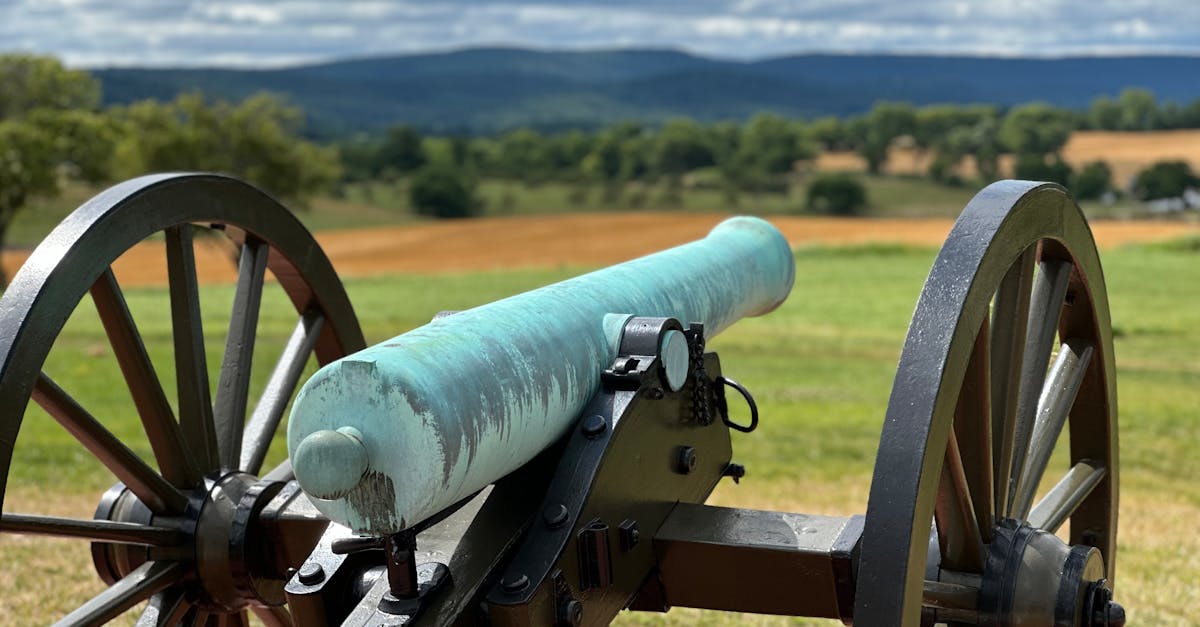
The Antietam Battlefield Visitor Center stands as one of America’s most significant historical destinations, drawing history enthusiasts, educators, and curious travelers from across the country. Located in Sharpsburg, Maryland, this site marks the location of the bloodiest single day in American military history, the Battle of Antietam, fought on September 17, 1862. Whether you’re a history buff diving deep into Civil War details or a casual visitor seeking to understand a pivotal moment in American heritage, the Antietam Battlefield Visitor Center offers an immersive experience that brings this critical battle to life. This comprehensive guide covers everything you need to know for a meaningful visit in 2026, from practical logistics to the exhibits and self-guided tours that make this destination essential for anyone interested in understanding American history.
Table of Contents
ToggleKey Takeaways
- The Antietam Battlefield Visitor Center in Sharpsburg, Maryland provides an immersive experience exploring the bloodiest single day in American military history, where over 23,000 soldiers were killed, wounded, or went missing on September 17, 1862.
- Visitors can spend 2–6 hours at the Antietam Battlefield Visitor Center depending on interest level, with flexible options including a 1–2 hour museum, 2–4 hour driving tour, and multiple walking trails.
- The visitor center features interactive exhibits, period artifacts, personal soldier accounts, and a 20–30 minute battle overview theater that contextualizes the Civil War battle from multiple perspectives.
- Admission is free to the grounds and outdoor areas, with a nominal $7 fee for museum exhibits (discounts for seniors, children, and military), and the center is located at 5831 Dunker Church Road with ample free parking.
- Spring and fall offer ideal visiting conditions with comfortable temperatures and clear sightlines, while the battle’s anniversary on September 17 features special programming, reenactments, and ranger-led tours that enhance historical understanding.
- The battlefield’s 3,000-acre preserved landscape includes major stops like Dunker Church, Bloody Lane, Burnside Bridge, and Cemetery Hill, where interpretive signage and monument walks help visitors understand the battle’s tactical significance and human cost.
What to Expect at the Antietam Battlefield Visitor Center
Walking into the Antietam Battlefield Visitor Center, you’ll immediately sense the weight of history. The facility serves as the gateway to understanding one of the Civil War’s most consequential engagements, where over 23,000 soldiers were killed, wounded, or went missing in a single day. The center doesn’t just present artifacts behind glass, it contextualizes the battle, explains the strategies, and humanizes the experience through personal accounts and detailed maps.
The visitor center is designed for flexibility. You can spend anywhere from two to six hours here, depending on your level of interest and available time. The museum portion typically takes one to two hours, while the self-guided battlefield tour requires an additional two to four hours depending on which stops you choose and how long you linger at each location. Many visitors find themselves drawn to multiple exhibits and areas, discovering new details with each visit.
The center emphasizes accessibility and engagement. Rather than feeling like a dusty historical museum, the Antietam Battlefield Visitor Center employs modern interpretive techniques, interactive maps, and multimedia presentations alongside traditional historical artifacts. This blend makes the experience relevant whether you’re a seasoned history scholar or visiting with family members who are encountering Civil War history for the first time. The staff is knowledgeable and genuinely interested in helping visitors understand the battle’s significance within the broader context of the American Civil War and the nation’s development.
Getting There and Essential Information
Planning your trip to the Antietam Battlefield Visitor Center requires some practical preparation. Understanding the logistics, when it’s open, what it costs, and how to get there, ensures your visit goes smoothly and you can focus on the historical experience rather than logistics headaches.
Hours, Admission, and Contact Details
The Antietam Battlefield Visitor Center operates year-round with seasonal hour variations. As of 2026, the center is typically open from 8:30 a.m. to 5:00 p.m. daily, though hours may be extended during peak summer months (June through August) and reduced during winter months. It’s always worth checking the official National Park Service website before planning your visit to confirm current hours, as seasonal adjustments do occur.
Admission is free to the grounds and many outdoor areas, though there is a nominal fee for accessing the museum exhibits inside the visitor center, approximately $7 for adults, with discounts available for seniors, children, and active military. Annual pass holders and members of the National Park Foundation receive free admission. The center occasionally closes for specific holidays or maintenance, so verifying accessibility on your intended visit date is recommended.
For direct contact, you can reach the Antietam National Battlefield at (301) 223-6961 or visit the official National Park Service page dedicated to the battlefield. Staff can answer specific questions about accessibility accommodations, ranger-led programs, or special events happening during your planned visit.
Directions and Nearby Amenities
The Antietam Battlefield Visitor Center is located at 5831 Dunker Church Road, Sharpsburg, Maryland 21782. From Washington, D.C., the drive takes approximately 90 minutes via I-81 North. From Baltimore, the journey is about 60 minutes. The site is easily accessible by car, with ample free parking available on-site.
Sharpsburg itself is a charming historic town with restaurants, cafes, and shops within walking distance of the main visitor center. Several bed-and-breakfasts and small inns are located nearby if you’re planning an overnight stay. The closest larger town, Hagerstown, Maryland, is about 15 miles away and offers more dining and accommodation options. Gas stations and convenience stores are scattered throughout the area, though it’s smart to fill up before arriving at the battlefield itself.
The battlefield grounds are expansive, covering approximately 3,000 acres, so comfortable walking shoes and a vehicle for the driving tour are essential. The site is relatively flat but involves significant walking, particularly if you tackle multiple locations. Cell service can be spotty in some areas, so downloading maps or the official NPS app beforehand is wise. The visitor center itself has restroom facilities, a bookstore, and a small café with light refreshments.
The Museum Exhibits and Collections
The indoor museum portion of the Antietam Battlefield Visitor Center is where the battle’s story is told through careful curation of artifacts, documents, and multimedia presentations. This section provides essential context before you venture onto the actual battlefield, helping you understand the causes, progression, and consequences of the engagement.
Interactive Displays and Artifacts
The museum houses an impressive collection of period artifacts including uniforms, weapons, personal effects, and soldier correspondence. Original documents such as battle reports and orders provide primary-source evidence of decision-making during the conflict. Rather than simply displaying items, the exhibits contextualize each artifact with explanatory text, photographs, and sometimes audio recordings of historians or historians discussing the significance.
Interactive elements enhance engagement. Visitors can examine detailed three-dimensional maps showing troop movements, examine weapons technology of the era, and access digital displays that zoom into specific moments of the battle. These interactive components help bridge the gap between historical artifact and lived experience, you’re not just seeing a Confederate rifle, you’re understanding how it was used, by whom, and under what circumstances.
One of the most impactful sections focuses on the human cost of the battle. Display cases feature personal items, photographs, letters, diaries, that belonged to soldiers from both Union and Confederate forces. These objects transform statistics into stories. A letter home from a young soldier, a wedding photograph, a final note written before battle, these artifacts underscore that the 23,000 casualties represented individuals with families, dreams, and histories.
The Battle Overview Theater
The visitor center features a theater presentation that provides an overview of the battle’s progression, typically running about 20-30 minutes. This program uses period maps, historical artwork, and narration to explain the morning’s opening movements, the major engagements throughout the day, and the battle’s conclusion. Watching this presentation before or after touring the museum provides valuable narrative structure to the various exhibits and the battlefield itself.
The presentation acknowledges the battle from multiple perspectives, Union commander Major General George McClellan’s strategic approach, Confederate General Robert E. Lee’s invasion objectives, and the experiences of common soldiers. This multifaceted approach helps visitors understand not just what happened, but why decisions were made and how different individuals experienced the same events. The production quality is solid, with clear audio and visuals that hold attention without being melodramatic.
The Antietam Battlefield Self-Guided Tour
After absorbing the museum’s context, most visitors move to the self-guided battlefield tour. This is where history becomes geography, you’re literally standing on ground where pivotal moments unfolded. The Antietam Battlefield Visitor Center provides maps, signage, and pull-off locations to guide your exploration.
Key Stops on the Driving Tour
The driving tour connects major battle locations through a series of designated stops and pull-offs. The entire driving route covers approximately 8.5 miles and can be completed in roughly two hours of pure driving, though most visitors spend considerably longer stopping at key locations.
Major stops include:
-
Visitor Center/Dunker Church area: The starting point and one of the most intensely fought locations. The Dunker Church itself is a simple whitewashed structure that remained standing throughout the battle and serves as an evocative landmark.
-
South Woods and the Cornfield: One of the bloodiest areas of the battlefield. Union and Confederate forces fought fiercely here in the early morning hours. The preserved cornfield provides a visceral sense of the terrain and the brutal close-quarters combat that occurred.
-
Bloody Lane: Named for the horrific casualties sustained in and around this sunken farm road, Bloody Lane is among the most visited locations. The depression in the landscape remains clearly visible, and interpretation panels explain the tactical significance and the devastating fighting that occurred here.
-
Burnside Bridge: This stone bridge over Antietam Creek was the site of fierce fighting as Union General Ambrose Burnside’s division attempted to cross. The relatively narrow structure became a chokepoint, and Confederate defenders from strong positions inflicted heavy casualties on Union soldiers attempting to force a crossing.
-
Cemetery Hill: Offers expansive views of the battlefield and provides perspective on the scale of the engagement. From this vantage point, visitors can see the scope of the terrain and understand how scattered the fighting was across multiple locations.
Each stop features interpretive signs explaining what occurred, who was involved, and the significance of that location. The National Park Service has worked to preserve sightlines, clearing trees and maintaining the landscape, so that visitors can see roughly what soldiers saw, though obviously without the smoke, chaos, and confusion of actual combat.
Walking Trails and Historic Monuments
Beyond the driving tour, the battlefield offers numerous walking trails and marked paths connecting various monuments and interpretive sites. These trails range from short 10-minute walks to more substantial hikes exploring different portions of the battlefield.
Popular walking options:
-
Dunker Church walking path: A short, easy loop providing additional detail about the northern portion of the battlefield where some of the earliest and fiercest fighting occurred.
-
Bloody Lane trail: A moderate walk descending into and around the famous sunken road. This trail brings you directly to ground level where soldiers fought, providing a more immersive understanding of the terrain and tactical situation.
-
Observation tower trails: Several trails lead to elevated positions offering expansive views. These vantage points help visitors comprehend the geography and understand commanders’ perspectives.
-
Monument walk: The battlefield features numerous monuments erected by individual states to commemorate their regiments’ roles. A structured walk visiting prominent monuments provides additional context and demonstrates the geographic reach of the battle, soldiers came from across the Union and Confederate states.
The trails are well-maintained and marked, though the terrain can be uneven. Wear sturdy footwear, bring water, and apply sunscreen, there’s limited shade across much of the battlefield. The walking trails can transform a two-hour visit into a full-day immersion if you’re genuinely interested in exploring thoroughly.
Planning Your Visit: Tips and Recommendations
Maximizing your Antietam Battlefield Visitor Center experience requires some strategic planning. Understanding when to visit and how much time to allocate helps you engage meaningfully with the history.
Best Time to Visit
The Antietam Battlefield is accessible year-round, but the experience varies seasonally. Spring (April-May) and fall (September-October) offer ideal weather, temperatures in the 60s-70s, minimal extreme heat or cold, and comfortable conditions for walking the trails. These seasons also provide clear sightlines as foliage is minimal in spring and trees are leafless in late fall, allowing better visibility across the battlefield.
Summer (June-August) draws the largest crowds, particularly around the Fourth of July and mid-summer weekends. If you visit during summer, arrive early, the parking lot can reach capacity by mid-morning on popular weekends. The upside is extended hours and special ranger programs. The downside is crowds and heat that can make extended outdoor walking uncomfortable.
Winter visits (November-February) offer solitude and lower crowds, though shorter daylight hours limit how much of the battlefield you can explore. The bare trees provide clear sightlines, and the stark landscape can feel particularly poignant. Be prepared for potentially muddy or icy conditions depending on recent weather.
Avoid visiting immediately after heavy rain unless you’re prepared for muddy trails. The battlefield’s terrain, particularly around Bloody Lane and other lower-lying areas, can become waterlogged and unpleasant to walk.
The actual anniversary of the battle (September 17) typically features special programming, reenactments, and considerably higher visitation. If you’re specifically interested in these special events, plan ahead. If you prefer a quieter experience, avoid mid-September weekends.
How Long to Spend at the Site
Time allocation depends entirely on your interest level and available schedule. Here’s a realistic breakdown:
Casual visitor (2-3 hours): Museum exhibits only, perhaps one or two brief stops on the driving tour. This covers the essential overview without overwhelming time commitment.
Moderate interest (4-6 hours): Complete museum, full driving tour with stops at major locations, possibly one short walking trail. This is the most common visitor pattern and provides substantive engagement with the material.
Enthusiast (full day or multiple visits): Complete museum, all driving tour stops with extended exploration, multiple walking trails, ranger-led programs, and potentially specialized tours focusing on specific aspects of the battle. Some visitors return multiple times, each visit focusing on different elements.
Realistic expectations matter. The driving tour alone takes 2-4 hours depending on how long you spend at each stop. Walking trails add 1-3 hours depending on which trails and how thoroughly you explore. The museum interior requires 1-2 hours. Factor in restroom breaks, eating, and simply sitting with the emotional weight of the location. A rushed visit where you’re checking boxes isn’t nearly as valuable as a more measured experience where you absorb the significance of the location.
Special Events and Ranger Programs
The Antietam Battlefield Visitor Center offers ranger-led programs and special events that enhance the visitor experience beyond self-guided exploration. These programs provide expert context and sometimes access to areas not typically open to independent visitors.
Ranger-led walks are offered seasonally, typically more frequently during peak visiting months. These guided experiences focus on specific battle phases, particular regiments, or tactical elements. A ranger can answer questions and provide insights that enhance understanding. Duration varies from 30-minute overview walks to two-hour deep dives.
Evening programs occur during summer months, sometimes featuring living history demonstrations or specialized talks by historians. These evening events capitalize on better weather and extended daylight, and they often draw a different crowd than daytime visitors, sometimes creating a more intimate experience.
Special anniversary programming around September 17 (the battle’s date) includes reenactments, commemorative ceremonies, and expanded ranger programming. These events can be crowded but offer unique insights and atmospheric experiences.
Educational programs are designed specifically for schools and student groups, with curricula aligned to history standards. If you’re visiting with students, inquire about these specialized programs.
Volunteer-led tours sometimes operate, offering additional perspectives from dedicated history enthusiasts who work at the site. These tours are typically free or very low-cost.
Check the official National Park Service website or call ahead to learn which programs are scheduled during your visit window. Programs and scheduling vary year to year and season to season. Ranger availability can be affected by federal budget situations, so don’t assume programs will definitely operate, confirm before planning around them.
The visitor experience is substantively enhanced by direct interaction with knowledgeable staff, whether through ranger programs or simply asking staff members questions at the visitor center. The National Park Service employs people genuinely passionate about the history, and their enthusiasm often proves contagious. Many visitors find themselves spending considerably more time than planned because conversations with rangers sparked additional questions or interests.
Historical gaming enthusiasts and community members interested in understanding terrain and strategy will particularly appreciate ranger-led tactical discussions that explain how different commanders approached the landscape. The battlefield itself serves as a fascinating study in military tactics, terrain advantage, and decision-making under pressure. Also, those interested in how historical events are preserved and interpreted may find resources at historical documentation centers helpful for context. For those researching specific regiments or soldier experiences, detailed battle analysis and soldier accounts provide supplementary information that enriches visits.
Conclusion
The Antietam Battlefield Visitor Center represents more than a tourist destination, it’s a place where American history becomes tangible and meaningful. The bloodiest single day in American military history isn’t merely an abstract historical fact when you’re standing on the actual ground where 23,000 soldiers were killed, wounded, or went missing. The combination of thoughtfully curated museum exhibits, interpretive signage on the actual battlefield, and the preserved landscape itself creates an educational experience that resonates long after your visit concludes.
Whether you’re a history enthusiast dedicating a full day to comprehensive exploration or a casual visitor with limited time, the Antietam Battlefield Visitor Center accommodates different levels of engagement. The flexibility to spend as much or as little time as your schedule permits means almost any visitor can gain value from the experience. Plan your logistics carefully, hours, admission, weather, crowd levels, so that when you’re actually on the battlefield, you can focus on the history rather than logistics.
The battlefield’s preservation and interpretation serve an important function beyond commemoration. Understanding how past decisions, conflicts, and human experiences shaped American history provides perspective on contemporary challenges. The Antietam Battlefield Visitor Center facilitates that understanding through accessible, engaging interpretation that respects both the gravity of the event and the curiosity of diverse visitors. A visit in 2026 continues a tradition of learning and reflection that honors those who fought while educating new generations about a pivotal moment in American development.