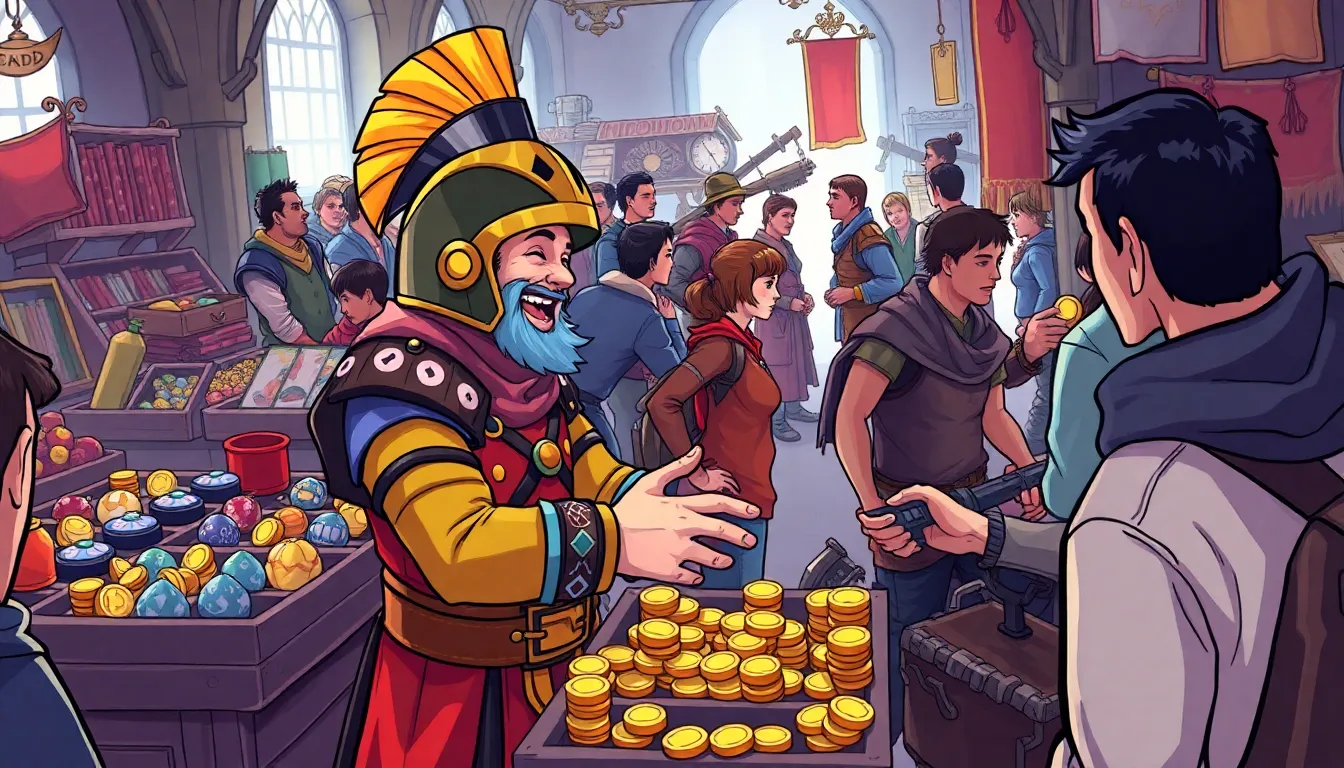
In the vast, pixelated world of RuneScape, gold isn’t just a shiny object; it’s the lifeblood of the game. Players hustle and trade, navigating a bustling economy where fortunes can be made or lost faster than you can say “Gielinor.” From the novice adventurer selling shrimp to the seasoned merchant flipping rare items, the in-game economy is a wild ride that keeps players on their toes.
But what’s the secret sauce behind this digital marketplace? It’s a blend of supply and demand, player-driven trends, and a sprinkle of chaos. Whether you’re hoarding your coins like a dragon or investing in the latest gear, understanding the economy can turn a simple quest into a lucrative venture. Dive in and discover how to navigate this intricate web of trade, where every decision can lead to treasure—or a trip to the Grand Exchange to sell your unwanted junk.
Table of Contents
ToggleOverview of Runescape In-Game Economy
RuneScape’s in-game economy serves as a complex yet engaging system where gold plays a pivotal role. Players generate wealth by participating in diverse activities, such as gathering resources and crafting items. Engaging in these activities not only advances skills but also provides opportunities for trading.
The market is influenced by supply and demand, a concept familiar to anyone involved in economic study. Fluctuations occur regularly due to player trends, which can shift rapidly based on new content or updates. For instance, recent updates often lead to the introduction of new items, causing prices to oscillate as players adapt.
Understanding market dynamics proves beneficial for optimizing profits. Players frequently monitor prices, assessing item value before buying or selling. Utilizing tools such as price-checking websites allows for informed decisions that enhance trading outcomes.
Special events within RuneScape also impact the economy. Seasonal events introduce unique items that can either tank the value of other goods or create new opportunities for investment. Notably, rare items maintain a high market demand, reflecting their desirability among players.
An active trading community further enriches the economic landscape. Players utilize various methods to trade, such as using the Grand Exchange for ease and efficiency. Social interactions often drive supply and demand, fostering a vibrant marketplace where opportunities arise.
Lastly, developing knowledge of the economy helps players avoid costly mistakes. Mastery of trading techniques and market analysis not only leads to wealth accumulation but also enhances the overall gaming experience. As players navigate this intricate system, they discover new ways to expand their wealth within the expansive world of RuneScape.
Key Components of the Economy
The RuneScape economy consists of critical elements driving interactions and trading among players. Understanding these components enables players to maximize their in-game wealth.
Currency and Trade
Gold serves as the primary currency in RuneScape, facilitating trade among players. Players can buy and sell items through platforms like the Grand Exchange, which streamlines transactions. Various activities contribute to players’ gold accumulation, such as mining, fishing, and farming. Bartering also remains common, especially for rare items. Players often seek profitable trades by keeping an eye on market trends, enabling them to act swiftly when opportunities arise. Engaging in frequent trading enhances players’ experiences and increases their overall wealth.
Item Values and Market Dynamics
Item values fluctuate regularly, influenced by supply and demand. Popularity can drive prices up or down, based on player interest. Rare items often command high prices, while common items retain lower values. Seasonal events introduce unique items, impacting the market significantly. Players who stay informed about new content can adjust strategies and invest wisely. Additionally, speculation around upcoming updates adds another layer of complexity to market dynamics. Observing trends enables players to make informed decisions, ensuring better trading outcomes.
Impact of Updates on the Economy
Updates significantly influence the RuneScape economy, often altering player behavior and market dynamics. New items, skills, and mechanics tend to shift the trading landscape.
Major Updates and Their Effects
Major updates introduce fresh content that directly impacts item prices. For example, when a new skill launches, it often generates an influx of resources flooding the market. Prices for newly introduced items can skyrocket initially, capturing player interest. As players explore these features, previously established items may see diminished value due to reduced demand. An assessment of update patterns reveals how quickly the economy adapts, illustrating players’ ability to capitalize on emerging opportunities.
Player Response to Changes
Players respond dynamically to economic updates, adjusting their strategies to maximize profit. Some invest heavily in new content, while others shift their focus to established markets. Timely reactions to price fluctuations often lead to either profitable trades or considerable losses. Community discussions on forums highlight trading insights and predictions, further shaping perspectives on economic trends. Monitoring these conversations equips players to make informed decisions and grist for timely investments. Ultimately, player engagement reinforces the ever-changing nature of the RuneScape economy.
Player Interaction and Economy
Player interactions significantly shape the RuneScape economy. Through trading, players determine the value of goods and services, creating a fluid marketplace.
Trade Systems and Player Markets
Various trade systems exist, with the Grand Exchange serving as the primary hub. This platform allows players to buy and sell items quickly, streamlining transactions. Players trade not only common resources but also rare and valuable items. Bartering remains prevalent, especially for one-of-a-kind goods, fostering a barter culture. The presence of player-owned shops adds further depth to the economy. These shops enable direct player-to-player transactions, enhancing trust and community engagement. Engaging in these ecosystems promotes deeper player relationships and extends the in-game economy beyond the Grand Exchange.
Influence of Player Activity on Prices
Player activity significantly influences item prices, with demand dictated by trends and updates. Increased player engagement in certain skills can raise demand for associated materials. Resource gathering often spikes before updates, anticipating new crafting opportunities. Seasonal events tend to create surges in price volatility, altering the landscape. Speculation plays a critical role; players often buy up items expected to rise in value after a major patch. Understanding these patterns aids in strategic buying and selling, directly impacting a player’s profitability. Remaining aware of community discussions keeps players informed about emerging trends, allowing them to adjust their strategies accordingly.